Our farm
A new, old business on the Cygnet River
Lifted by hand, sifted by hand and graded with care, one row at a time.
Our story
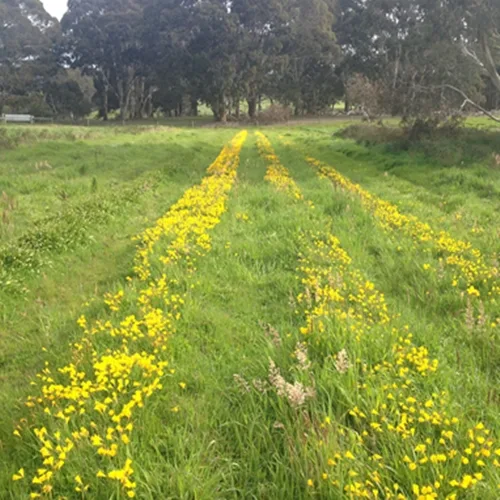
In 2010 Bob and his wife, Lorraine, planted bulbs on part of the original Bark Hut farm, near the site of an old homestead. They were planted with love, with a lot of care and plans for the years ahead.
Lorraine worked alongside Bob for many years, nurturing the bulbs and the land together. Lorraine passed away in February 2024. She is very much part of this story, and part of every row.
Life on a farm is busy, and for a long time the bulbs were mostly left to themselves. They didn't need much help. Each year they came up, flowered and quietly multiplied, until there were tens of thousands of them.
January 2020
Through the fire
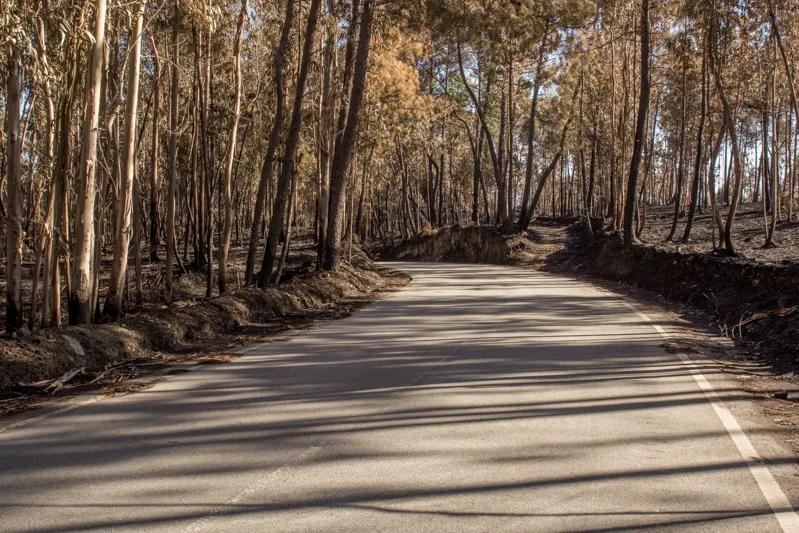
In the summer of 2019–20, bushfires burned close to half of Kangaroo Island. In January 2020 the fire ran along the Cygnet River and went straight over the bulb rows.
Buildings, farm implements and the cattle yards were destroyed. So was the bulb lifter and sifter, bought especially for this work. Hardest of all, many ancient trees were lost.
For a while we honestly didn't know whether the bulbs would survive. They did far more than survive. The regeneration across the farm since the fire has been stunning, and the bulbs have come back better than ever.
After the fire I walked the rows and there was nothing but black. I thought, well, that's that. Then the rain came, and up they popped, green as anything, more of them than before. I stood out there and laughed.Bob
“…to give unto them beauty for ashes, the oil of joy for mourning…”
Who we are
Bob's bulbs
The farm belongs to Bob. The bulbs are his, planted by Bob and Lorraine and cared for together over many years, and so is the dream of sharing them with gardeners all over Australia.
We're Brad and Ambra, Bob's neighbours on the block next door. Over the years Bob has become family to us, and a grandfather to our five children. In 2026 we began working alongside him, together with our children, to make that dream happen. We hope to build something they can carry on.
This year we're starting again, on the same ground, with the same bulbs and the same hands. It's a new business built on something that has been growing here all along, and we're grateful for the chance to share it.
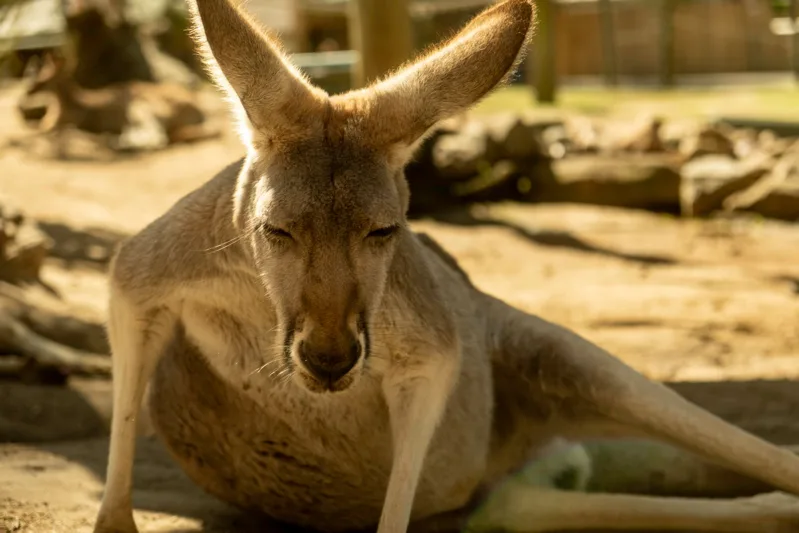
The whole farm is kept as a wildlife sanctuary, simply out of love for the animals that live here and bring so much beauty and joy.
How we work
One row at a time
The fire took the bulb lifter, so every bulb will go through our hands at each stage.
Lift
We'll lift the bulbs by hand while they're dormant, working one row at a time so each row is done properly.
Sift
We'll sift the soil away by hand and return it to the row it came from.
Grade
We'll sort each bulb by size and check it. Only sound, healthy bulbs will be sent out.
Pack
We'll pack every order by hand and include a slip showing when the bulbs were lifted.
In every pack
The lift-date slip
Every pack includes a small slip showing the date the bulbs came out of the ground and the row they came from. It's the kind of thing we'd want to know as gardeners, so we include it for you.
Example only. The final slip design is still to come.
Bark Hut Bulbs · lift slip
Lifted 14 January 2027,
packed by hand by Brad and Ambra,
Bark Hut Road.
Bulb: Nerine 'Fothergillii Major' Row: 7
The land
Deep river loam on the Cygnet River
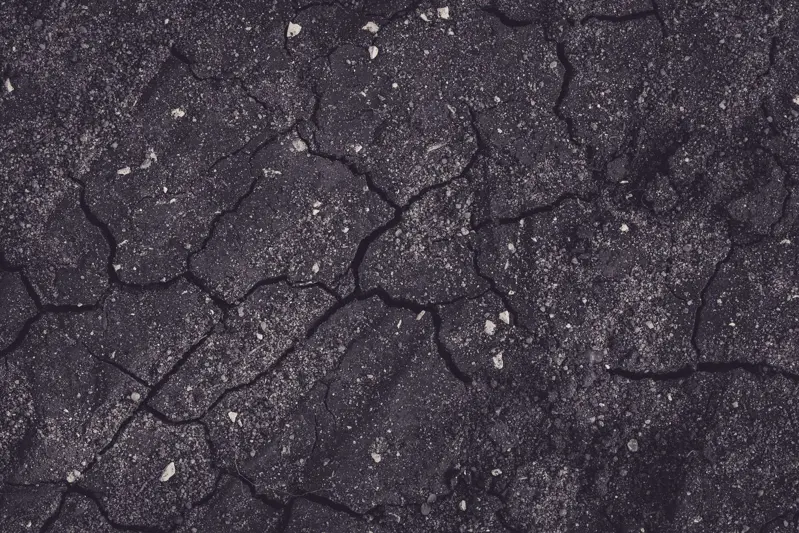
The ground here is a dark, chocolate-coloured loam laid down by the river. It runs more than 3.5 metres (12 feet) deep.
It's good, generous soil, and the bulbs have made the most of it. It's a large part of why they have multiplied so well with so little help.
The Cygnet River is the longest river on Kangaroo Island. It runs past the farm on its way to Nepean Bay, on the island's north-east coast.
Winters here are cold and crisp, and summers are warm and dry. Most of the bulbs rest underground through the hot months. That's when we'll lift, sift, grade and pack them, ready to post from mid-January.
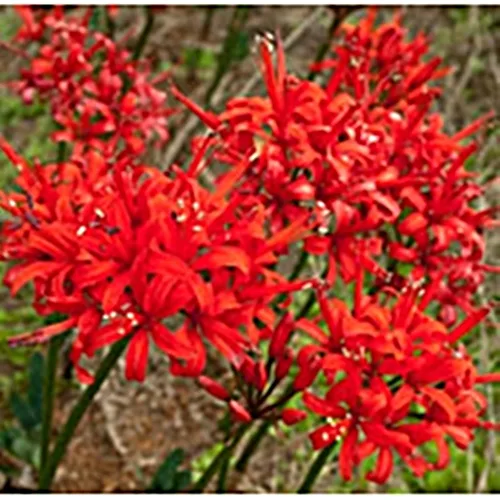
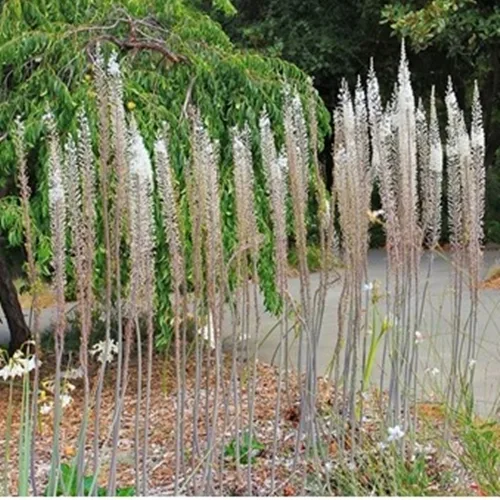
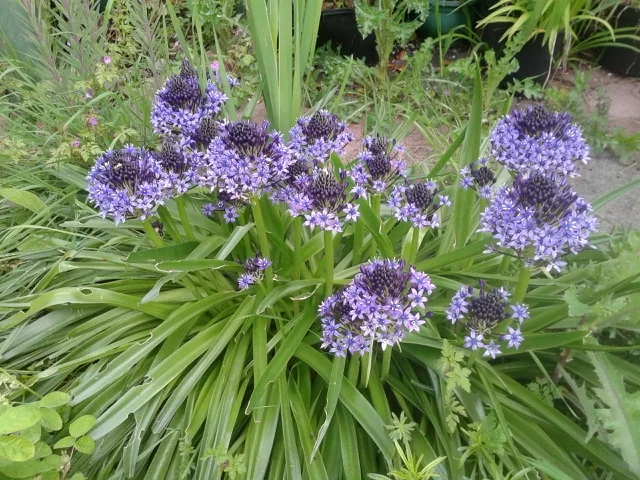
“Consider the lilies of the field, how they grow; they toil not, neither do they spin.”
We think of these bulbs as a gift, not something we made. Our part is to look after the land and the plants well, and to pass them on in good condition. We try to farm with that in mind: gently, honestly, and with an eye on the people who will work this ground after us.