About the island
Kangaroo Island, from the middle of it
Our farm is at Cygnet River, near the centre of Kangaroo Island. This is our short guide to the island we call home.
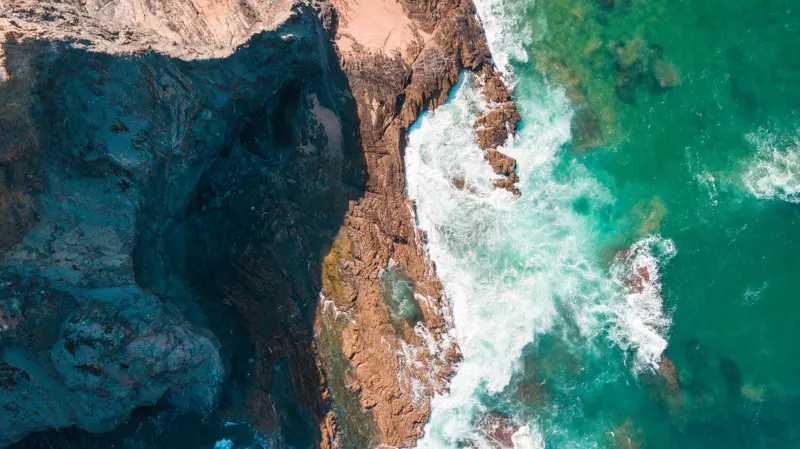
Getting to Kangaroo Island
Kangaroo Island lies off the coast of South Australia, south-west of Adelaide. It is Australia's third-largest island, after Tasmania and Melville Island, covering about 4,400 square kilometres and stretching about 145 kilometres from east to west.
By ferry
SeaLink's vehicle ferry runs between Cape Jervis, at the tip of the Fleurieu Peninsula, and Penneshaw on the island's east coast. The crossing takes about 45 minutes, with up to twelve sailings a day each way in busy periods. Bookings are recommended, especially if you're bringing a car. SeaLink timetable
By air
Flights from Adelaide take about 35 minutes and land at Kingscote Airport, the island's only airport. It sits in the locality of Cygnet River, about 12 kilometres south-west of Kingscote. Kingscote Airport
Getting around
The island is bigger than most visitors expect, and public transport is very limited, so you'll want a car. Allow plenty of time between places, and expect some unsealed roads.
When the bulbs flower on Kangaroo Island
Our main flowering season is late summer, when the nerines and belladonnas bloom in a dry landscape. The smaller bulbs follow through winter and spring.
- Nerine
- Feb–Mar
- Belladonna
- Feb–Mar
- Sea Squill
- Late summer–autumn
- Black Pearl
- Late Nov
- Hoop Petticoat
- Late winter–early spring
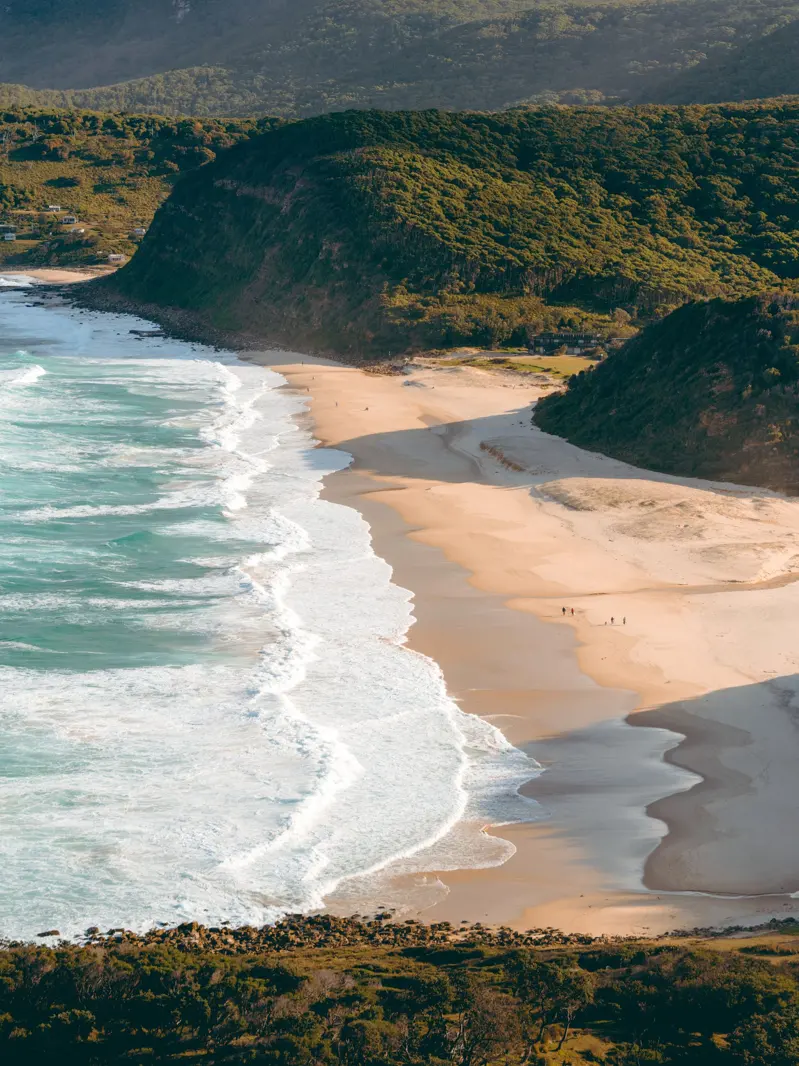
Wildlife and farming on the island
Around a fifth to a quarter of Kangaroo Island is set aside as national parks, conservation parks and wilderness protection areas, including Flinders Chase National Park at the western end.
The island supports important populations of Australian sea lions, New Zealand fur seals and tammar wallabies. It is also home to the South Australian glossy black-cockatoo, an endangered subspecies that feeds only on drooping sheoak. Careful recovery work has brought its numbers from about 150 birds in the early 1990s to more than 400 today.
Kangaroo Island has been a sanctuary for Ligurian bees since 1885. To protect them, bees, honey and used beekeeping equipment can't be brought onto the island.
The rest of the island is mostly privately owned farmland, where farming families raise sheep and grow grain and a range of other produce.
In the summer of 2019–20, bushfires burned about 210,000 hectares, close to half the island. The recovery has been long, and the community has worked hard to rebuild. The bush is growing back.
The fire ran along the Cygnet River and over our bulb rows. Read how the bulbs came through it.
Caring for the island
Grow responsibly
Some garden bulbs can escape into bushland and crowd out native plants. A few of the squills and bluebells we grow have been reported growing wild in South Australia, so we've paused sales of them until the Kangaroo Island Landscape Board has looked at them.
Please never dump garden waste in bushland. That includes unwanted bulbs, clippings and old potting mix. Compost it at home or put it in your green waste bin.
If you're visiting, help keep the island free of pests and weeds. Honey, potatoes (unless washed and in new packaging), rabbits and foxes can't be brought onto the island, and vehicles, boots and gear should be free of soil and plant material before you board the ferry. Kangaroo Island Landscape Board: biosecurity